what age is safe to use naproxen cr 375
Cardiovascular Risk
- NSAIDs may cause an increased take a chance of serious cardiovascular thrombotic events, myocardial infarction, and stroke, which can be fatal. This risk may increment with duration of use. Patients with cardiovascular disease or risk factors for cardiovascular disease may be at greater risk. (See WARNINGS).
- Naproxen is contraindicated for the treatment of peri-operative pain in the setting of coronary artery featherbed graft (CABG) surgery (run into WARNINGS).
Gastrointestinal Run a risk
- NSAIDs crusade an increased risk of serious gastrointestinal adverse events including bleeding, ulceration, and perforation of the stomach or intestines, which can be fatal. These events tin can occur at any fourth dimension during apply and without alert symptoms. Elderly patients are at greater risk for serious gastrointestinal events. (See WARNINGS).
Clarification
Naproxen is a proprionic acid derivative related to the arylacetic acid group of nonsteroidal anti-inflammatory drugs.
The chemic proper name for naproxen is (Southward)-6-methoxy-α-methyl-2-naphthaleneacetic acid. Naproxen has the following structure:
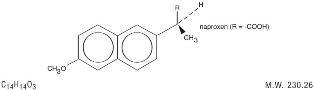
Naproxen is an odorless, white to off-white crystalline substance. Information technology is lipid-soluble, practically insoluble in water at depression pH and freely soluble in water at high pH. The octanol/water partition coefficient of naproxen at pH 7.4 is 1.6 to one.eight.
Each tablet, for oral administration, contains 250 mg, 375 mg or 500 mg of naproxen. In addition, each tablet contains the following inactive ingredients: colloidal silicon dioxide, magnesium stearate, polyvinylpyrrolidone, and sodium starch glycolate.
CLINICAL PHARMACOLOGY
Pharmacodynamics
Naproxen is a nonsteroidal anti-inflammatory drug (NSAID) with analgesic and antipyretic backdrop. The sodium common salt of naproxen has been developed as a more rapidly absorbed formulation of naproxen for apply as an analgesic. The mechanism of action of the naproxen anion, like that of other NSAIDs, is not completely understood but may be related to prostaglandin synthetase inhibition.
Pharmacokinetics
Naproxen is chop-chop and completely absorbed from the gastrointestinal tract with an in vivo bioavailability of 95%. The dissimilar dosage forms of naproxen are bioequivalent in terms of extent of absorption (AUC) and elevation concentration (Cmax); notwithstanding, the products do differ in their pattern of assimilation. These differences betwixt naproxen products are related to both the chemical form of naproxen used and its conception. Fifty-fifty with the observed differences in pattern of absorption, the elimination half-life of naproxen is unchanged beyond products ranging from 12 to 17 hours. Steady-state levels of naproxen are reached in 4 to 5 days, and the degree of naproxen accumulation is consistent with this half-life. This suggests that the differences in design of release play simply a negligible role in the attainment of steady-state plasma levels.
Assimilation
After administration of naproxen tablets, superlative plasma levels are attained in 2 to 4 hours.
Distribution
Naproxen has a volume of distribution of 0.sixteen L/kg. At therapeutic levels naproxen is greater than 99% albumin-bound. At doses of naproxen greater than 500 mg/24-hour interval there is less than proportional increase in plasma levels due to an increment in clearance caused past saturation of plasma poly peptide bounden at higher doses (boilerplate trough Css 36.5, 49.2 and 56.4 mg/Fifty with 500, 1000 and 1500 mg daily doses of naproxen, respectively). The naproxen anion has been found in the milk of lactating women at a concentration equivalent to approximately ane% of maximum naproxen concentration in plasma (meet PRECAUTIONS: Nursing Mothers).
Metabolism
Naproxen is extensively metabolized in the liver to 6-0-desmethyl naproxen, and both parent and metabolites do non induce metabolizing enzymes. Both naproxen and 6-0-desmethyl naproxen are further metabolized to their respective acylglucoronide conjugated metabolites.
Excretion
The clearance of naproxen is 0.xiii mL/min/kg. Approximately 95% of the naproxen from whatsoever dose is excreted in the urine, primarily as naproxen (< 1%), 6-0-desmethyl naproxen (< 1%) or their conjugates (66% to 92%). The plasma one-half-life of the naproxen anion in humans ranges from 12 to 17 hours. The corresponding half-lives of both naproxen's metabolites and conjugates are shorter than 12 hours, and their rates of excretion have been found to coincide closely with the rate of naproxen disappearance from the plasma. Small amounts, three% or less of the administered soe, are excreted in the carrion. In patients with renal failure metabolites may accumulate (run across WARNINGS: Renal Effects).
Special Populations
Pediatric Patients
In pediatric patients anile five to 16 years with arthritis, plasma naproxen levels post-obit a 5 mg/kg single dose of naproxen suspension (see DOSAGE AND Administration) were found to exist similar to those constitute in normal adults following a 500 mg dose. The terminal one-half-life appears to be similar in pediatric and developed patients. Pharmacokinetic studies of naproxen were not performed in pediatric patients younger than 5 years of historic period. Pharmacokinetic parameters appear to be similar post-obit administration of naproxen suspension or tablets in pediatric patients.
Geriatric Patients
Studies indicate that although total plasma concentration of naproxen is unchanged, the unbound plasma fraction of naproxen is increased in the elderly, although the unbound fraction is < 1% of the total naproxen concentration. Unbound trough naproxen concentrations in elderly subjects have been reported to range from 0.12% to 0.19% of total naproxen concentration, compared with 0.05% to 0.075% in younger subjects. The clinical significance of this finding is unclear, although it is possible that the increase in gratuitous naproxen concentration could be associated with an increase in the charge per unit of adverse events per a given dosage in some elderly patients.
Race
Pharmacokinetic differences due to race accept not been studied.
Hepatic Insufficiency
Naproxen pharmacokinetics has not been determined in subjects with hepatic insufficiency.
Renal Insufficiency
Naproxen pharmacokinetics has non been determined in subjects with renal insufficiency. Given that naproxen, its metabolites and conjugates are primarily excreted by the kidney, the potential exists for naproxen metabolites to accumulate in the presence of renal insufficiency. Elimination of naproxen is decreased in patients with severe renal impairment. Naproxen-containing products are not recommended for utilize in patients with moderate to astringent renal impairment (creatinine clearance < xxx mL/min) (meet WARNINGS: Renal Furnishings).
CLINICAL STUDIES
General Information
Naproxen has been studied in patients with rheumatoid arthritis, osteoarthritis, juvenile arthritis, ankylosing spondylitis, tendonitis and bursitis, and acute gout. Improvement in patients treated for rheumatoid arthritis was demonstrated by a reduction in joint swelling, a reduction in elapsing of morning stiffness, a reduction in disease action as assessed by both the investigator and patient, and by increased mobility as demonstrated by a reduction in walking time. More often than not, response to naproxen has not been found to be dependent on historic period, sexual activity, severity or elapsing of rheumatoid arthritis.
In patients with osteoarthritis, the therapeutic action of naproxen has been shown past a reduction in articulation pain or tenderness, an increment in range of motion in knee joints, increased mobility as demonstrated past a reduction in walking time, and improvement in capacity to perform activities of daily living impaired by the disease.
In a clinical trial comparing standard formulations of naproxen 375 mg bid (750 mg a day) vs. 750 mg bid (1500 mg/day), 9 patients in the 750 mg group terminated prematurely considering of agin events. Nineteen patients in the 1500 mg group terminated prematurely because of agin events. About of these adverse events were gastrointestinal events.
In clinical studies in patients with rheumatoid arthritis, osteoarthritis, and juvenile arthritis, naproxen has been shown to exist comparable to aspirin and indomethacin in controlling the aforementioned measures of disease activity, merely the frequency and severity of the milder gastrointestinal adverse effects (nausea, dyspepsia, heartburn) and nervous arrangement agin effects (tinnitus, dizziness, lightheadedness) were less in naproxen-treated patients than in those treated with aspirin or indomethacin.
In patients with ankylosing spondylitis, naproxen has been shown to subtract night pain, morning stiffness and hurting at residuum. In double-bullheaded studies the drug was shown to be every bit constructive as aspirin, but with fewer side effects.
In patients with acute gout, a favorable response to naproxen was shown by significant immigration of inflammatory changes (e.thou., decrease in swelling, oestrus) within 24 to 48 hours, as well equally by relief of pain and tenderness.
Naproxen has been studied in patients with mild to moderate pain secondary to postoperative, orthopedic, postpartum episiotomy and uterine contraction pain and dysmenorrhea. Onset of pain relief can begin inside 1 hour in patients taking naproxen. Analgesic result was shown by such measures as reduction of hurting intensity scores, increase in pain relief scores, decrease in numbers of patients requiring additional analgesic medication, and delay in time to remedication. The analgesic effect has been constitute to last for upwards to 12 hours.
Naproxen may exist used safely in combination with gold salts and/or corticosteroids; however, in controlled clinical trials, when added to the regimen of patients receiving corticosteroids, it did non announced to cause greater improvement over that seen with corticosteroids alone. Whether naproxen has a "steroid-sparing" effect has not been fairly studied. When added to the regimen of patients receiving gold salts, naproxen did result in greater improvement. Its use in combination with salicylates is not recommended because there is evidence that aspirin increases the charge per unit of excretion of naproxen and data are inadequate to demonstrate that naproxen and aspirin produce greater improvement over that accomplished with aspirin alone. In addition, as with other NSAIDs, the combination may effect in college frequency of adverse events than demonstrated for either product alone.
In 51Cr blood loss and gastroscopy studies with normal volunteers, daily administration of 1000 mg of naproxen has been demonstrated to cause statistically significantly less gastric bleeding and erosion than 3250 mg of aspirin.
Geriatric Patients
The hepatic and renal tolerability of long-term naproxen administration was studied in two double-blind clinical trials involving 586 patients. Of the patients studied, 98 patients were age 65 and older and 10 of the 98 patients were age 75 and older. Naproxen was administered at doses of 375 mg twice daily or 750 mg twice daily for upwards to half dozen months. Transient abnormalities of laboratory tests assessing hepatic and renal function were noted in some patients, although there were no differences noted in the occurrence of abnormal values among unlike age groups.
INDICATIONS AND USAGE
Carefully consider the potential benefits and risks of naproxen and other handling options before deciding to employ naproxen tablets. Use the lowest effective dose for the shortest duration consistent with individual patient treatment goals (see WARNINGS).
Naproxen is indicated:
- For the relief of the signs and symptoms of rheumatoid arthritis
- For the relief of the signs and symptoms of osteoarthritis
- For the relief of the signs and symptoms of ankylosing spondylitis
- For the relief of the signs and symptoms of juvenile arthritis
Naproxen is also indicated:
- For relief of the signs and symptoms of tendonitis
- For the relief of the signs and symptoms of bursitis
- For the relief of the signs and symptoms of acute gout
- For the direction of pain
- For the management of primary dysmenorrhea
CONTRAINDICATIONS
Naproxen is contraindicated in patients with known hypersensitivity to naproxen and naproxen sodium.
Naproxen should not be given to patients who have experienced asthma, urticaria, or allergic-blazon reactions afterwards taking aspirin or other NSAIDs. Severe, rarely fatal, anaphylactic-similar reactions to NSAIDs accept been reported in such patients (come across WARNINGS - Anaphylactoid Reactions, and PRECAUTIONS - Preexisting Asthma).
Naproxen is contraindicated for the treatment of peri-operative pain in the setting of coronary artery bypass graft (CABG) surgery (see WARNINGS).
WARNINGS
CARDIOVASCULAR EFFECTS
Cardiovascular Thrombotic Events
Clinical trials of several COX-ii selective and nonselective NSAIDs of up to 3 years elapsing have shown an increased take a chance of serious cardiovascular (CV) thrombotic events, myocardial infarction, and stroke, which can be fatal. All NSAIDs, both COX-2 selective and nonselective, may have a similar adventure. Patients with known CV affliction or risk factors for CV disease may be at greater run a risk. To minimize the potential take a chance for an adverse CV event in patients treated with an NSAID, the lowest effective dose should exist used for the shortest elapsing possible. Physicians and patients should remain alert for the development of such events, even in the absenteeism of previous CV symptoms. Patients should exist informed about the signs and/or symptoms of serious CV events and the steps to have if they occur.
In that location is no consistent evidence that concurrent use of aspirin mitigates the increased risk of serious CV thrombotic events associated with NSAID use. The concurrent use of aspirin and an NSAID does increase the chance of serious Gl events (run into Gastrointestinal Effects - Take a chance of Ulceration, Bleeding, and Perforation).
Two large, controlled, clinical trials of a COX-2 selective NSAID for the treatment of hurting in the first ten-14 days following CABG surgery constitute an increased incidence of myocardial infarction and stroke (encounter CONTRAINDICATIONS).
Hypertension
NSAIDs, including naproxen, can lead to onset of new hypertension or worsening of preexisting hypertension, either of which may contribute to the increased incidence of CV events. Patients taking thiazides or loop diuretics may have impaired response to these therapies when taking NSAIDs. NSAIDs, including naproxen, should be used with caution in patients with hypertension. Blood pressure level (BP) should be monitored closely during the initiation of NSAID treatment and throughout the course of therapy.
Congestive Heart Failure and Edema
Fluid retention, edema, and peripheral edema take been observed in some patients taking NSAIDs. Naproxen should be used with caution in patients with fluid retention, hypertension, or heart failure.
Gastrointestinal Effects- Risk of Ulceration, Bleeding, and Perforation
NSAIDs, including naproxen, can cause serious gastrointestinal (Gl) adverse events including inflammation, haemorrhage, ulceration, and perforation of the breadbasket, small-scale intestine, or large intestine, which can be fatal.
These serious agin events can occur at whatsoever fourth dimension, with or without warning symptoms, in patients treated with NSAIDs. Merely one in five patients, who develop a serious upper Gl adverse upshot on NSAID therapy, is symptomatic. Upper Gl ulcers, gross bleeding, or perforation acquired by NSAIDs occur in approximately 1% of patients treated for 3-vi months, and in about ii-four% of patients treated for 1 yr. These trends continue with longer duration of utilize, increasing the likelihood of developing a serious Gl event at some time during the form of therapy. Yet, even short-term therapy is not without risk. The utility of periodic laboratory monitoring has not been demonstrated, nor has it been adequately assessed. Just 1 in 5 patients who develop a serious upper GI adverse consequence on NSAID therapy is symptomatic.
NSAIDs should be prescribed with extreme circumspection in those with a prior history of ulcer illness or gastrointestinal bleeding. Patients with a prior history of peptic ulcer disease and/or gastrointestinal bleeding who use NSAIDs have a greater than x-fold increased risk for developing a Gl bleed compared to patients with neither of these adventure factors. Other factors that increment the take a chance for Gl bleeding in patients treated with NSAIDs include concomitant use of oral corticosteroids or anticoagulants, longer elapsing of NSAID therapy, smoking, use of alcohol, older age, and poor full general health status. Well-nigh spontaneous reports of fatal Gl events are in elderly or devitalized patients and therefore, special care should be taken in treating this population. To minimize the potential risk for an adverse Gl event in patients treated with an NSAID, the lowest constructive dose should be used for the shortest possible duration. Patients and physicians should remain alert for signs and symptoms of Gl ulceration and bleeding during NSAID therapy and promptly initiate additional evaluation and treatment if a serious Gl adverse event is suspected. This should include discontinuation of the NSAID until a serious Gl agin event is ruled out. For high hazard patients, alternate therapies that exercise not involve NSAIDs should be considered.
Epidemiological studies, both of the case-control and accomplice design, have demonstrated an association between use of psychotropic drugs that interfere with serotonin reuptake and the occurrence of upper gastrointestinal bleeding. In two studies, concurrent utilise of an NSAID or aspirin potentiated the hazard of bleeding (come acrossPRECAUTIONS: Drug Interactions). Although these studies focused on upper gastrointestinal bleeding, in that location is reason to believe that bleeding at other sites may exist similarly potentiated.
NSAIDs should be given with care to patients with a history of inflammatory bowel disease (ulcerative colitis, Crohn's illness) as their condition may be exacerbated.
Renal Effects
Long-term administration of NSAIDs has resulted in renal papillary necrosis and other renal injury. Renal toxicity has also been seen in patients in whom renal prostaglandins have a compensatory role in the maintenance of renal perfusion. In these patients, administration of a nonsteriodal anti-inflammatory drug may cause a dose-dependent reduction in prostaglandin formation and, secondarily, in renal blood flow, which may precipitate overt renal decompensation. Patients at greatest take a chance of this reaction are those with impaired renal role, hypovolemia, heart failure, liver dysfunction, salt depletion, those taking diuretics and ACE inhibitors, and the elderly. Discontinuation of nonsteroidal anti-inflammatory drug therapy is ordinarily followed by recovery to the pretreatment land (run into WARNINGS: Avant-garde Renal Disease).
Avant-garde Renal Illness
No data is bachelor from controlled clinical studies regarding the use of naproxen in patients with advanced renal illness. Therefore, treatment with naproxen is not recommended in these patients with advanced renal illness. If naproxen therapy must be initiated, close monitoring of the patient's renal part is appropriate.
Anaphylactoid Reactions
As with other NSAIDs, anaphylactoid reactions may occur in patients without known prior exposure to naproxen. Naproxen should not be given to patients with the aspirin triad. This symptom complex typically occurs in asthmatic patients who experience rhinitis with or without nasal polyps, or who exhibit severe, potentially fatal bronchospasm after taking aspirin or other NSAIDs (see CONTRAINDICATIONS and PRECAUTIONS - Preexisting Asthma). Emergency help should exist sought in cases where an anaphylactoid reaction occurs. Anaphylactic reactions, similar anaphylaxis, may take a fatal upshot.
Peel Reactions
NSAIDs, including naproxen, tin can crusade serious pare adverse events such every bit exfoliative dermatitis, Stevens-Johnson Syndrome (SJS), and toxic epidermal necrolysis (TEN), which can be fatal. These serious events may occur without warning. Patients should be informed about the signs and symptoms of serious skin manifestations and use of the drug should exist discontinued at the first appearance of peel rash or any other sign of hypersensitivity.
Pregnancy
In belatedly pregnancy, every bit with other NSAIDs, naproxen should be avoided because it may cause premature closure of the ductus arteriosus.
PRECAUTIONS
General
Naproxen-containing products such as Naproxen Tablets, and other naproxen products should not be used concomitantly since they all circulate in the plasma as the naproxen anion.
Naproxen cannot exist expected to substitute for corticosteroids or to care for corticosteroid insufficiency. Sharp discontinuation of corticosteroids may pb to disease exacerbation. Patients on prolonged corticosteroid therapy should have their therapy tapered slowly if a decision is made to discontinue corticosteroids and the patient should exist observed closely for any evidence of adverse furnishings, including adrenal insufficiency and exacerbation of symptoms of arthritis.
Patients with initial hemoglobin values of 10g or less who are to receive long-term therapy should take hemoglobin values adamant periodically.
The pharmacological activity of naproxen in reducing fever and inflammation may diminish the utility of these diagnostic signs in detecting complications of presumed noninfectious, noninflammatory painful conditions.
Considering of agin eye findings in animal studies with drugs of this class, information technology is recommended that ophthalmic studies be carried out if whatsoever change or disturbance in vision occurs.
Hepatic Furnishings
Borderline elevations of ane or more liver tests may occur in up to 15% of patients taking NSAIDs including naproxen. Hepatic abnormalities may be the result of hypersensitivity rather than direct toxicity. These laboratory abnormalities may progress, may remain essentially unchanged, or may be transient with continuing therapy. The SGPT (ALT) examination is probably the most sensitive indicator of liver dysfunction. Notable elevations of ALT or AST (approximately 3 or more times the upper limit of normal) have been reported in approximately 1% of patients in clinical trials with NSAIDs. In improver, rare cases of severe hepatic reactions, including jaundice and fatal fulminant hepatitis, liver necrosis and hepatic failure, some of them with fatal outcomes take been reported.
A patient with symptoms and/or signs suggesting liver dysfunction, or in whom an abnormal liver test has occurred, should be evaluated for testify of the evolution of a more astringent hepatic reaction while on therapy with naproxen.
If clinical signs and symptoms consistent with liver disease develop, or if systemic manifestations occur (due east.g., eosinophilia, rash, etc.), naproxen should be discontinued.
Chronic alcoholic liver disease and probably other diseases with decreased or abnormal plasma proteins (albumin) reduced the total plasma concentration of naproxen, but the plasma concentrations of unbound naproxen is increased. Circumspection is brash when high doses are required and some adjustment of dosage may be required in these patients. Information technology is prudent to utilise the everyman effective dose.
Hematological Effects
Anemia is sometimes seen in patients receiving NSAIDs, including naproxen. This may be due to fluid retention, occult or gross Gl blood loss, or an incompletely described event upon erythropoiesis. Patients on long-term handling with NSAIDs, including naproxen, should have their hemoglobin or hematocrit checked if they exhibit any signs or symptoms of anemia.
NSAIDs inhibit platelet assemblage and have been shown to prolong bleeding time in some patients. Dissimilar aspirin, their effect on platelet function is quantitatively less, of shorter duration, and reversible. Patients receiving naproxen who may be adversely affected past alterations in platelet function, such equally those with coagulation disorders or patients receiving anticoagulants, should exist carefully monitored.
Preexisting Asthma
Patients with asthma may accept aspirin-sensitive asthma. The use of aspirin in patients with aspirin-sensitive asthma has been associated with astringent bronchospasm which can be fatal. Since cross reactivity, including bronchospasm, betwixt aspirin and other nonsteroidal anti-inflammatory drugs has been reported in such aspirin-sensitive patients, naproxen should non be administered to patients with this form of aspirin sensitivity and should be used with caution in patients with preexisting asthma.
Information for Patients
Patients should be informed of the following information before initiating therapy with an NSAID and periodically during the course of ongoing therapy. Patients should as well be encouraged to read the NSAID Medication Guide that accompanies each prescription dispensed.
- Naproxen, similar other NSAIDs, may crusade serious CV side effects, such equally Ml or stroke, which may outcome in hospitalization and fifty-fifty death. Although serious CV events can occur without warning symptoms, patients should be warning for the signs and symptoms of chest pain, shortness of jiff, weakness, slurring of speech, and should ask for medical advice when observing any indicative sign or symptoms. Patients should be apprised of the importance of this follow-up (see WARNINGS, Cardiovascular Furnishings).
- Naproxen, like other NSAIDs, can cause Gl discomfort and, rarely, serious Gl side effects, such equally ulcers and haemorrhage, which may issue in hospitalization and even death. Although serious Gl tract ulcerations and bleeding can occur without warning symptoms, patients should be alarm for the signs and symptoms of ulcerations and bleeding, and should ask for medical advice when observing any indicative sign or symptoms including epigastric pain, dyspepsia, melena, and hematemesis. Patients should be apprised of the importance of this follow-up (see WARNINGS, Gastrointestinal Effects: Risk of Ulceration, Bleeding, and Perforation).
- Naproxen, like other NSAIDs, tin cause serious pare side effects such as exfoliative dermatitis, SJS, and TEN, which may result in hospitalizations and even death. Although serious skin reactions may occur without warning, patients should exist alert for the signs and symptoms of skin rash and blisters, fever, or other signs of hypersensitivity such as itching, and should ask for medical communication when observing any indicative signs or symptoms. Patients should exist advised to end the drug immediately if they develop whatever type of rash and contact their physicians as before long as possible.
- Patients should promptly study signs or symptoms of unexplained weight gain or edema to their physicians.
- Patients should be informed of the warning signs and symptoms of hepatotoxicity (due east.thousand., nausea, fatigue, lethargy, pruritus, jaundice, right upper quadrant tenderness, and "flu-like" symptoms). If these occur, patients should be instructed to cease therapy and seek immediate medical therapy.
- Patients should be informed of the signs of an anaphylactoid reaction (e.g. difficulty animate, swelling of the face or throat). If these occur, patients should be instructed to seek firsthand emergency aid (run across WARNINGS).
- In late pregnancy, equally with other NSAIDs, naproxen should be avoided because it will cause premature closure of the ductus arteriosus.
- Caution should be exercised by patients whose activities require alertness if they feel drowsiness, dizziness, vertigo or depression during therapy with naproxen.
Laboratory Tests
Because serious Gl tract ulcerations and bleeding can occur without warning symptoms, physicians should monitor for signs or symptoms of Gl bleeding. Patients on long-term treatment with NSAIDs, should have their CBC and a chemistry profile checked periodically. If clinical signs and symptoms consistent with liver or renal disease develop, systemic manifestations occur (due east.one thousand., eosinophilia, rash, etc.) or if abnormal liver tests persist or worsen, naproxen should exist discontinued.
Drug Interactions
ACE-inhibitors
Reports propose that NSAIDs may diminish the antihypertensive effect of ACE-inhibitors. This interaction should exist given consideration in patients taking NSAIDs concomitantly with ACE-inhibitors.
Antacids and Sucralfate
Concomitant administration of some antacids (magnesium oxide or aluminum hydroxide) and sucralfate tin can delay the absorption of naproxen.
Aspirin
When naproxen is administered with aspirin, its protein binding is reduced, although the clearance of free naproxen is non altered. The clinical significance of this interaction is not known; however, as with other NSAIDs, concomitant assistants of naproxen containing products and aspirin is non generally recommended because of the potential of increased adverse effects.
Cholestyramine
As with other NSAIDs, concomitant assistants of cholestyramine can filibuster the absorption of naproxen.
Diuretics
Clinical studies too every bit postmarketing observations, take shown that naproxen tin can reduce the natriuretic effect of furosemide and thiazides in some patients. This response has been attributed to inhibition of renal prostaglandin synthesis. During concomitant therapy with NSAID's the patient should be observed closely for signs of renal failure (see WARNINGS: Renal Effects), likewise every bit to assure diuretic efficacy.
Lithium
NSAIDs have produced an elevation of plasma lithium levels and a reduction in renal lithium clearance. The hateful minimum lithium concentration increased 15% and the renal clearance was decreased by approximately xx%. These effects have been attributed to inhibition of renal prostaglandin synthesis by the NSAID. Thus, when NSAIDs and lithium are administered concurrently, subjects should be observed advisedly for signs of lithium toxicity.
Methotrexate
NSAIDs have been reported to competitively inhibit methotrexate accumulation in rabbit kidney slices. Naproxen and other nonsteriodal anti-inflammatory drugs take been reported to reduce the tubular secretion of methotrexate in an animal model. This may indicate that they could heighten the toxicity of methotrexate. Caution should be used when NSAIDs are administered concomitantly with methotrexate.
Warfarin
The furnishings of warfarin and NSAIDs on Gl bleeding are synergistic, such that users of both drugs together have a risk of serious Gl bleeding higher than users of either drug alone. No significant interactions take been observed in clinical studies with naproxen and coumarin-type anticoagulants. However, circumspection is advised since interactions accept been seen with other nonsteriodal agents of this class. The free fraction of warfarin may increment substantially in some subjects and naproxen interferes with platelet function.
Selective Serotonin Reuptake Inhibitors (SSRIs)
There is an increased risk of gastrointestinal bleeding when selective serotonin reuptake inhibitors (SSRIs) are combined with NSAIDs. Circumspection should be used when NSAIDs are administered concomitantly with SSRIs.
Other Information Concerning Drug Interactions
Naproxen is highly leap to plasma albumin; it thus has a theoretical potential for interaction with other albumin-leap drugs such as coumarin-blazon anticoagulants, sulphonylureas, hydantoins, other NSAIDs, and aspirin. Patients simultaneously receiving naproxen and a hydantoin, sulphonamide or sulphonylurea should be observed for adjustment of dose if required.
Naproxen and other nonsteroidal anti-inflammatory drugs can reduce the antihypertensive effect of propranolol and other beta-blockers.
Probenacid given meantime increases naproxen anion plasma levels and extends its plasma one-half-life significantly.
Drug/Laboratory Test Interaction
Naproxen may decrease platelet aggregation and prolong bleeding time. This effect should exist kept in mind when bleeding times are determined.
The administration of naproxen may result in increased urinary values for 17-ketogenic steroids because of an interaction between the drug and/or its metabolites with yard-di-nitrobenzene used in this analysis. Although 17-hydroxy-corticosteroid measurements (Porter-Silber test) do not appear to exist artifactually contradistinct, it is suggested that therapy with naproxen exist temporarily discontinued 72 hours before adrenal function tests are performed if the Porter-Silber test is to be used.
Naproxen may interfere with some urinary assays of 5-hydroxy indoleacetic acrid (5HIAA).
Carcinogenesis
A 2-year report was performed in rats to evaluate the carcinogenic potential of naproxen at doses of eight, sixteen, and 24 mg/kg/day (fifty, 100, and 150 mg/thoutwo). The maximum dose used was 0.28 times the systemic exposure to humans at the recommended dose. No evidence of tumorigenicity was found.
Pregnancy
Teratogenic Effects.
Pregnancy Category C.
Reproduction studies have been performed in rats at 20 mg/kg/24-hour interval (125 mg/m2/day, 0.23 times the human being systemic exposure), rabbits at twenty mg/kg/day (220 mg/g2/day, 0.27 times the human systemic exposure), and mice at 170 mg/kg/mean solar day (510 mg/1000two/day, 0.28 times the homo systemic exposure) with no show of impaired fertility or damage to the fetus due to the drug. Notwithstanding, creature reproduction studies are not ever predictive of human response. There are no adequate and well-controlled studies in significant women. Naproxen should exist used in pregnancy simply if the potential do good justifies the potential hazard to the fetus.
Nonteratogenic Effects
At that place is some evidence to propose that when inhibitors of prostaglandin synthesis are used to delay preterm labor there is an increased chance of neonatal complications such as necrotizing enterocolitis, patent ductus arteriosus and intracranial hemorrhage. Naproxen treatment given in belatedly pregnancy to filibuster parturition has been associated with persistent pulmonary hypertension, renal dysfunction and abnormal prostaglandin E levels in preterm infants. Because of the known furnishings of nonsteriodal anti-inflammatory drugs on the fetal cardiovascular system (closure of ductus arteriosus), use during pregnancy (specially late pregnancy) should be avoided.
Labor and Commitment
In rat studies with NSAIDs every bit with other drugs known to inhibit prostaglandin synthesis, an increased incidence of dystocia, delayed parturition, and decreased pup survival occurred. Naproxen-containing products are non recommended in labor and delivery considering, through its prostaglandin synthesis inhibitory effect, naproxen may adversely affect fetal circulation and inhibit uterine contractions, thus increasing the risk of uterine hemorrhage. The furnishings of naproxen on labor and delivery in meaning women are unknown.
Nursing Mothers
The naproxen anion has been constitute in the milk of lactating women at a concentration equivalent to approximately ane% of maximum naproxen concentration in plasma. Considering of the possible adverse furnishings of prostaglandin-inhibiting drugs on neonates, utilize in nursing mothers should be avoided.
Pediatric Use
Safety and effectiveness in pediatric patients beneath the historic period of 2 years take not been established. Pediatric dosing recommendations for juvenile arthritis are based on well-controlled studies (run into DOSAGE AND Administration). There are no acceptable effectiveness or dose-response information for other pediatric conditions, merely the experience in juvenile arthritis and other utilize experience accept established that unmarried doses of 2.v to five mg/kg, with total daily dose not exceeding xv mg/kg/day, are well tolerated in pediatric patients over 2 years of historic period.
Geriatric Use
Studies point that although full plasma concentration of naproxen is unchanged, the unbound plasma fraction of naproxen is increased in the elderly. Caution is advised when loftier doses are required and some aligning of dosage may be required in elderly patients. Equally with other drugs used in the elderly, it is prudent to utilise the lowest effective dose.
Experience indicates that geriatric patients may be particularly sensitive to certain agin effects of nonsteriodal anti-inflammatory drugs. Elderly or devitalized patients seem to tolerate peptic ulceration or haemorrhage less well when these events do occur. Almost spontaneous reports of fatal Gl events are in the geriatric population (see WARNINGS).
Naproxen is known to be substantially excreted by the kidney, and the risk of toxic reactions to this drug may be greater in patients with impaired renal function. Because elderly patients are more than likely to have decreased renal office, intendance should be taken in dose selection, and it may be useful to monitor renal function. Geriatric patients may exist at a greater hazard for the development of a form of renal toxicity precipitated by reduced prostaglandin formation during administration of nonsteroidal anti-inflammatory drugs (see WARNINGS: Renal Effects).
Adverse REACTIONS
Adverse reactions reported in controlled clinical trials in 960 patients treated for rheumatoid arthritis or osteoarthritis are listed beneath. In general, reactions in patients treated chronically were reported 2 to x times more oftentimes than they were in brusk-term studies in the 962 patients treated for balmy to moderate pain or for dysmenorrhea. The well-nigh frequent complaints reported related to the gastrointestinal tract.
A clinical study found gastrointestinal reactions to be more than frequent and more than severe in rheumatoid arthritis patients taking daily doses of 1500 mg naproxen compared to those taking 750 mg naproxen (run across CLINICAL PHARMACOLOGY).
In controlled clinical trials with about 80 pediatric patients and in well-monitored, open up-label studies with about 400 pediatric patients with juvenile arthritis treated with naproxen, the incidence of rash and prolonged bleeding times were increased, the incidence of gastrointestinal and central nervous organization reactions were about the same, and the incidence of other reactions were lower in pediatric patients than in adults.
In patients taking naproxen in clinical trials, the well-nigh oftentimes reported adverse experiences in approximately ane to 10% of patients are:
Gastrointestinal (Gl) Experiences, including: heartburn*, abdominal hurting*, nausea*, constipation*, diarrhea, dyspepsia, stomatitis
Central Nervous Arrangement: headache*, dizziness*, drowsiness*, lightheadedness, vertigo
Dermatologic: pruritus (itching)*, pare eruptions*, ecchymoses*, sweating, purpura
Special Senses: tinnitus*, visual disturbances, hearing disturbances
Cardiovascular: edema*, palpitations
General: dyspnea*, thirst
*Incidence of reported reaction between 3% and nine%. Those reactions occurring in less than iii% of the patients are unmarked.
In patients taking NSAIDs, the following agin experiences have too been reported in approximately 1 to 10% of patients.
Gastrointestinal (Gl) Experiences, including: flatulence, gross bleeding/perforation, Gl ulcers (gastric/duodenal), airsickness
General: abnormal renal function, anemia, elevated liver enzymes, increased bleeding fourth dimension, rashes
The post-obit are additional adverse experiences reported in <ane% of patients taking naproxen during clinical trials and through mail-marketing reports. Those adverse reactions observed through mail-marketing reports are italicized.
Trunk as a Whole: anaphylactoid reactions, angioneurotic edema, menstrual disorders, pyrexia (chills and fever)
Cardiovascular: congestive heart failure, vasculitis, hypertension, pulmonary edema
Gastrointestinal: gastrointestinal bleeding and/or perforation, hematemesis, pancreatitis, vomiting, colitis, exacerbation of inflammatory bowel disease (ulcerative colitis, Crohn's affliction), abnormal liver office tests, nonpeptic gastrointestinal ulceration, ulcerative stomatitis
Hepatobiliary: jaundice, abnormal liver role tests, hepatitis (some cases take been fatal)
Hemic and Lymphatic: eosinophilia, leucopenia, melena, thrombocytopenia, agranulocytosis, granulocytopenia, hemolytic anemia, aplastic anemia
Metabolic and Nutritional: hyperglycemia, hypoglycemia
Nervous Arrangement: inability to concentrate, depression, dream abnormalities, insomnia, malaise, myalgia, musculus weakness, aseptic meningitis, cerebral dysfunction, convulsions
Respiratory: eosinophilic pneumonitis, asthma
Dermatologic: baldness, urticaria, skin rashes, toxic epidermal necrolysis, erythema multiforme, erythema nodosum fixed drug eruption, lichen planus pustular reaction, systemic lupus erythematoses, bullous reactions, including Stevens-Johnson syndrome, photosensitive dermatitis, photosensitivity reactions, including rare cases resembling porphyria cutanea tarda (psuedoporphyria) or epidermolysis bullosa. If skin fragility, blistering or other symptoms suggestive of pseudoporphyria occur, treatment should be discontinued and the patient monitored.
Special Senses: hearing impairment, corneal opacity, papillitis, retrobulbar optic neuritis, papilledema
Urogenital: glomerular nephritis, hematuria, hyperkalemia, interstitial nephritis, nephrotic syndrome, renal affliction, renal failure, renal papillary necrosis, raised serum creatinine
Reproduction (female person): infertility
In patients taking NSAIDs, the following adverse experiences have also been reported in <1% of patients.
Body as a Whole: fever, infection, sepsis, anaphylactic reactions, appetite changes, death
Cardiovascular: hypertension, tachycardia, syncope, arrhythmia, hypotension, myocardial infarction
Gastrointestinal: dry rima oris, esophagitis, gastric/peptic ulcers, gastritis, glossitis, eructation
Hepatobiliary: hepatitis, liver failure
Hemic and Lymphatic: rectal bleeding, lymphadenopathy, pancytopenia
Metabolic and Nutritional: weight changes
Nervous System: anxiety, asthenia, confusion, nervousness, paresthesia, somnolence, tremors, convulsions, coma, hallucinations
Respiratory: asthma, respiratory low, pneumonia
Dermatologic: exfoliative dermatitis
Special Senses: blurred vision, conjunctivitis
Urogenital: cystitis, dysuria, oliguria/polyuria, proteinuria
To report SUSPECTED Agin REACTIONS, contact Westward-ward Pharmaceutical Corp. at 1-877-233-2001, or the FDA at 1-800-FDA-1088 or www.fda.gov/medwatch.
OVERDOSAGE
Symptoms and Signs
Significant naproxen overdosage may be characterized by sluggishness, dizziness, drowsiness, epigastric pain, abdominal discomfort, heartburn, indigestion, nausea, transient alterations in liver part, hypoprothrombinemia, renal dysfunction, metabolic acidosis, apnea, disorientation or vomiting. Gastrointestinal haemorrhage can occur. Hypertension, astute renal failure, respiratory low, and blackout may occur, but are rare. Anaphylactoid reactions have been reported with therapeutic ingestion of NSAIDs, and may occur post-obit an overdose. Considering naproxen sodium may be rapidly absorbed, high and early blood levels should be anticipated. A few patients take experienced convulsions, merely it is not articulate whether or not these were drug-related. It is not known what dose of the drug would be life-threatening. The oral LD50 of the drug is 543 mg/kg in rats, 1234 mg/kg in mice, 4110 mg/kg in hamsters, and greater than yard mg/kg in dogs.
Treatment
Patients should be managed by symptomatic and supportive care post-obit a NSAID overdose. There are no specific antidotes. Hemodialysis does non decrease the plasma concentration of naproxen because of the high degree of its protein bounden. Emesis and/or activated charcoal (60 to 100 grand in adults, i to 2 thousand/kg in children) and/or osmotic cathartic may be indicated in patients seen inside iv hours of ingestion with symptoms or following a large overdose. Forced diuresis, alkalinization of urine or hemoperfusion may not be useful due to high poly peptide bounden.
DOSAGE AND Administration:
Advisedly consider the potential benefits and risks of naproxen and other treatment options before deciding to use naproxen. Use the lowest constructive dose for the shortest elapsing consistent with individual patient treatment goals (see WARNINGS).
Later on observing the response to initial therapy with naproxen, the dose and frequency should be adjusted to adapt an individual patient'due south needs.
Dissimilar dose strengths and formulations (i.due east., tablets, suspension) of the drug are non necessarily bioequivalent. This difference should be taken into consideration when changing formulation.
Although naproxen circulates in the plasma as naproxen, they have pharmacokinetic differences that may affect onset of activeness. Onset of hurting relief can begin within 1 hour in patients taking naproxen (see CLINICAL PHARMACOLOGY).
The recommended strategy for initiating therapy is to choose a formulation and a starting dose likely to be effective for the patient and so adjust the dosage based on ascertainment of benefit and/or adverse events. A lower dose should exist considered in patients with renal or hepatic damage or in elderly patients (see WARNINGS and PRECAUTIONS).
Geriatric Patients
Studies indicate that although total plasma concentration of naproxen is unchanged, the unbound plasma fraction of naproxen is increased in the elderly. Caution is advised when high doses are required and some adjustment of dosage may exist required in elderly patients. Equally with other drugs used in the elderly, information technology is prudent to use the lowest constructive dose.
Patients with Moderate to Severe Renal Impairment
Naproxen-containing products are not recommended for use in patients with moderate to severe and severe renal harm (creatine clearance <30 mL/min) (see WARNINGS: Renal Effects).
| Naproxen | 250 mg | twice daily |
| or 375 mg | twice daily | |
| or 500 mg | twice daily |
During long-term administration, the dose of naproxen may be adapted upwards or down depending on the clinical response of the patient. A lower daily dose may suffice for long-term administration. The morning and evening doses do not accept to be equal in size and the administration of the drug more ofttimes than twice daily is non necessary.
In patients who tolerate lower doses well, the dose may be increased to naproxen 1500 mg/day for express periods of up to 6 months when a higher level of anti-inflammatory/analgesic activity is required. When treating such patients with naproxen 1500 mg/solar day, the doc should discover sufficient increased clinical benefits to offset the potential increased hazard. The morning and evening doses do not have to be equal in size and administration of the drug more frequently than twice the daily doses do not generally make a departure in response (See CLINICAL PHARMACOLOGY).
Acute Gout
The recommended starting dose is 750 mg of naproxen followed by 250 mg every 8 hours until the attack has subsided.
HOW SUPPLIED
Naproxen Tablets USP, 375 mg are White, Oblong, Unscored Tablet; Debossed "Westward-ward 347" and are available in:
- Bottles of 60 tablets - NDC # 42549-525-lx
Store at twenty-25°C (68-77°F) [See USP Controlled Room Temperature]. Dispense in a tight, light-resistant container every bit defined in the USP using a child-resistant closure.
Manufactured By:
West-ward Pharmaceutical Corp.
Eatontown, NJ 07724
Revised October 2009
Relabeling and Repackaging by:
STAT Rx United states LLC
Gainesville, GA 30501
MEDICATION GUIDE
Medication Guide for Non-Steroidal Anti-Inflammatory Drugs (NSAIDs)
(See the cease of this Medication Guide for a list of prescription NSAID medicines.)
What is the most important information I should know nigh medicines called Not-Steroidal Anti-Inflammatory Drugs (NSAIDs)?
NSAID medicines may increase the run a risk of a center attack or stroke that can lead to death. This chance increases:
- with longer use of NSAID medicines
- in people who have heart disease
NSAID medicines should never be used right before or after a center surgery called a 'coronary artery bypass graft (CABG).'
NSAID medicines can cause ulcers and haemorrhage in the breadbasket and intestines at any time during treatment. Ulcers and haemorrhage:
- can happen without alarm symptoms
- may cause death
The hazard of a person getting an ulcer or bleeding increases with:
- taking medicines called 'corticosteroids' and 'anticoagulants'
- longer use
- smoking
- drinking alcohol
- older historic period
- having poor wellness
NSAID medicines should only be used:
- exactly as prescribed
- at the lowest dose possible for your treatment
- for the shortest time needed
What are Non-Steroidal Anti-Inflammatory Drugs (NSAIDs)?
NSAID medicines are used to treat pain and redness, swelling, and estrus (inflammation) from medical conditions such equally:
- different types of arthritis
- menstrual cramps and other types of short-term pain
Who should not take a Non-Steroidal Anti-Inflammatory Drug (NSAID)?
Exercise not take an NSAID medicine:
- if you had an asthma attack, hives, or other allergic reaction with aspirin or any other NSAID medicine
- for hurting right before or after middle bypass surgery
Tell your healthcare provider:
- about all of your medical conditions.
- about all of the medicines y'all take. NSAIDs and some other medicines tin can interact with each other and cause serious side furnishings. Go along a list of your medicines to show to your healthcare provider and pharmacist.
- if you are pregnant. NSAID medicines should not exist used by pregnant women late in their pregnancy.
- if you are breastfeeding. Talk to your dr..
| Serious side effects include: | Other side effects include: |
|
|
|
|
|
|
|
|
|
|
|
|
|
|
|
|
| |
| |
|
Go emergency aid correct away if you have whatsoever of the following symptoms:
- shortness of jiff or trouble breathing
- slurred speech
- chest pain
- swelling of the face or throat
- weakness in ane function or side of your body
|
|
|
|
|
|
|
|
|
|
These are not all the side effects with NSAID medicines. Talk to your healthcare provider or pharmacist for more information about NSAID medicines. Call your doctor for medical advice about side effects.
You may report side effects to FDA at ane-800-FDA-1088 or Due west-ward at 1-877-233-2001.
Other information about Non-Steroidal Anti-Inflammatory Drugs (NSAIDs)
- Aspirin is an NSAID medicine but it does not increment the chance of a centre assail. Aspirin tin cause bleeding in the brain, stomach, and intestines. Aspirin can also crusade ulcers in the stomach and intestines.
- Some of these NSAID medicines are sold in lower doses without a prescription (over-the-counter). Talk to your healthcare provider earlier using over-the-counter NSAIDs for more than than 10 days.
| *Vicoprofen contains the same dose of ibuprofen as over-the-counter (OTC) NSAIDs, and is usually used for less than 10 days totreat pain. The OTC NSAID label warns that long term continuous utilize may increment the risk of heart attack or stroke. | |
| Generic Name | Tradename |
| Celecoxib | Celebrex® |
| Diclofenac | Cataflam®, Voltaren®, Arthrotec™ |
| (combined with misoprostol) | |
| Diflunisal | Dolobid® |
| Etodolac | Lodine®, Lodine® Forty |
| Fenoprofen | Nalfon®, Nalfon® 200 |
| Flurbiprofen | Ansaid® |
| Ibuprofen | Motrin®, Tab-Profen®, Vicoprofen*® |
| (combined with hydrocodone), | |
| Combunox™ (combined with oxycodone) | |
| Indomethacin | Indocin®, Indocin® SR, Indo-Lemmon™, |
| Indomethagan™ | |
| Ketoprofen | Oruvail® |
| Ketorolac | Toradol® |
| Melenamic Acid | Ponstel® |
| Meloxicam | Mobic® |
| Nabumetone | Relafen® |
| Naproxen | Naprosyn®, Anaprox®, Anaprox® DS, |
| EC-Naproxyn®, Naprelan®, Naprapac® | |
| (copackaged with lansoprazole) | |
| Oxaprozin | Daypro® |
| Piroxicam | Feldene® |
| Sulindac | Clinoril® |
| Tolmetin | Tolectin®, Tolectin® DS, Tolectin® 600 |
This Medication Guide has been approved by the U.S. Nutrient and Drug Administration.
All registered trademarks in this document are the property of their respective owners.
PACKAGE Characterization - NAPROXEN 375 MG TABLETS
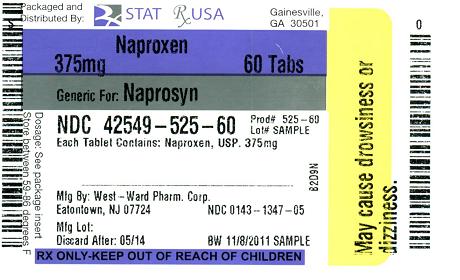
Relabeling and Repackaging by:
STAT Rx United states LLC
Gainesville, GA 30501
Source: https://dailymed.nlm.nih.gov/dailymed/fda/fdaDrugXsl.cfm?setid=0a27f628-8089-41ba-b45e-4f03551aeafd&type=display
0 Response to "what age is safe to use naproxen cr 375"
Post a Comment